How Long Should Insulation Stay On After Winter? A Friendly Lawn-Owner’s Guide
By Turfrain
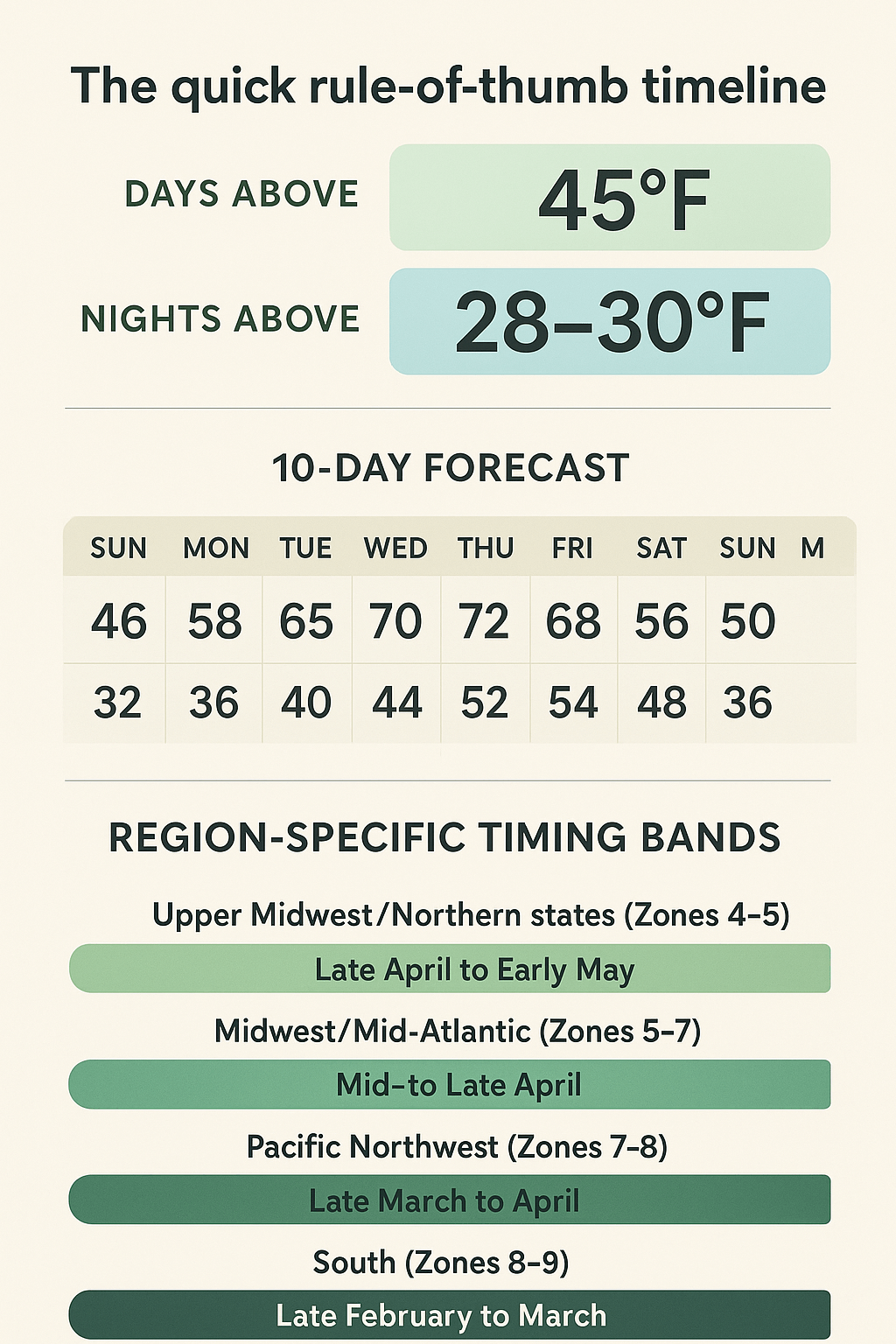
Keep winter insulation on plants, lawns, and irrigation parts until hard freezes are basically done. As a rule, wait for 7–10 days with daytime highs above 45°F (7°C) and nights mostly above 28–30°F (-2 to -1°C), soil thawed and draining. Then remove in stages—vent on warm days, fully off on a cloudy morning.
What you’ll learn from this blog
The simple temperature and timing rule for removing winter insulation
Region-by-region timing cues tied to the last frost date
A step-by-step plan to uncover lawns, beds, shrubs, and irrigation safely
What to do if a surprise cold snap hits after you’ve uncovered
Quick fixes for common spring issues like snow mold and matted grass
The quick rule-of-thumb timeline you can actually remember
Summary: Wait for a steady warm trend, then transition off in stages—don’t yank everything at once. Details: If you love a simple rule, follow the 7–10 day cue: days above 45°F, nights mostly above 28–30°F, soil no longer frozen or soupy. That’s your green light. Still, local climate matters. Here’s a quick, real-world guide based on typical last frost windows:
Upper Midwest/Northern states (Zones 4–5): late April to early May
Midwest/Mid-Atlantic (Zones 5–7): mid- to late April
Pacific Northwest (Zones 7–8): late March to April (watch soggy soil)
South (Zones 8–9): late February to March
Mountain/High Desert (big swings): wait for consistent nights above 30°F Tip from experience: I’ve seen lawns perk up fast once covers come off—but removing during a week with a 27°F surprise night can set new growth back. When in doubt, ventilate by day, cover by night for a few more days.
Read the signals: soil, plants, and the 10-day forecast
Summary: Nature drops hints; pair them with your weather app.
Details:
Soil: Thawed, drains within a few hours, and doesn’t cling like brownie batter to your shovel? Good sign.
Plants: Buds swell, turf brightens from grayish to greenish, and perennials show nubs of growth.
Forecast: You’re looking for a 10-day stretch with only light frosts (if any). Nights of 24–26°F suggest you should keep protection handy. A quick mental picture: If your yard feels like a refrigerator at dawn but a coat-free stroll by afternoon? You’re in that “vent by day, cover by night” sweet spot for a few days.
Your easy weekend plan for taking insulation off safely
Summary: Give your lawn and landscape a gentle wake-up, not a shock.
Step-by-step:
Check the 10-day forecast. If no hard freeze (<28°F) is looming, proceed.
Midweek: Start venting covers mid-day for 2–3 days so plants adjust.
Choose a cloudy morning to remove fully (reduces sunscald on tender growth).
Shake off frost cloth, burlap, or straw; dry it in the sun so you can store it.
Turf check: Lightly rake matted areas to prevent snow mold and let air in.
Beds: Pull mulch back to 2–3 inches deep, keeping it off plant crowns.
Shrubs: Remove burlap, but keep it nearby for pop-up freezes this month.
Irrigation/backflow: Inspect for leaks; keep foam or wraps on if two sub-28°F nights remain in the forecast.
Clean-up: Bag damaged leaves, but don’t over-prune new growth—let plants stabilize first.
Special cases homeowners ask about (because every yard has quirks)
Summary: A few tweaks make all the difference.
Details:
Newly seeded lawn under straw: Keep a light layer until seedlings are 2–3 inches tall and the risk of hard frost is past. Lift or thin—not smother—so sunlight and airflow reach the grass.
Snow mold on lawns: Comb through gently with a leaf rake on a dry day; the grass usually rebounds with air, light, and a bit of patience.
Burlap on evergreens: Remove when soil is thawed and humidity is up—typically around your last frost window. Do it on an overcast day to avoid sudden sunburn.
Frost blankets over beds: If days push past 50–55°F, uncover by day so heat doesn’t build and stress plants.
Irrigation/backflow and hose bibs: Keep insulation until lows stay above 30°F for a full week. After removal, open valves briefly and check for drips before setting spring schedules.
Containers and tender perennials: If a chilly night sneaks in, slide pots into a garage or toss a frost cloth over them at dusk, remove in the morning.
What if a cold snap shows up after you’ve uncovered?
Summary: No panic—just a quick evening routine. Details:
Re-cover by dusk: Use frost cloth or old sheets; keep fabric off foliage with stakes.
Water earlier that day: Moist soil holds heat better than dry soil.
Pause irrigation cycles that run overnight: Avoid icy turf in the morning.
If leaves ice over: Don’t brush or break the ice—let the sun thaw it gently. Think of it like throwing a light jacket back on. Annoying? Sure. But your lawn and shrubs will thank you.
Wrapping it up (and your lawn in spring confidence)
You’ve got this. Keep insulation on until the weather settles into that steady, gentle spring pattern—then remove in stages and give your lawn some air. If you want a second set of eyes on timing, irrigation checks, or a quick spring tune-up, Contact Us at Turfrain. We’re happy to help your yard wake up on the right foot.