Is Heat Tape Effective for Backflow Valves? What Works (and What to Avoid)
By Turfrain
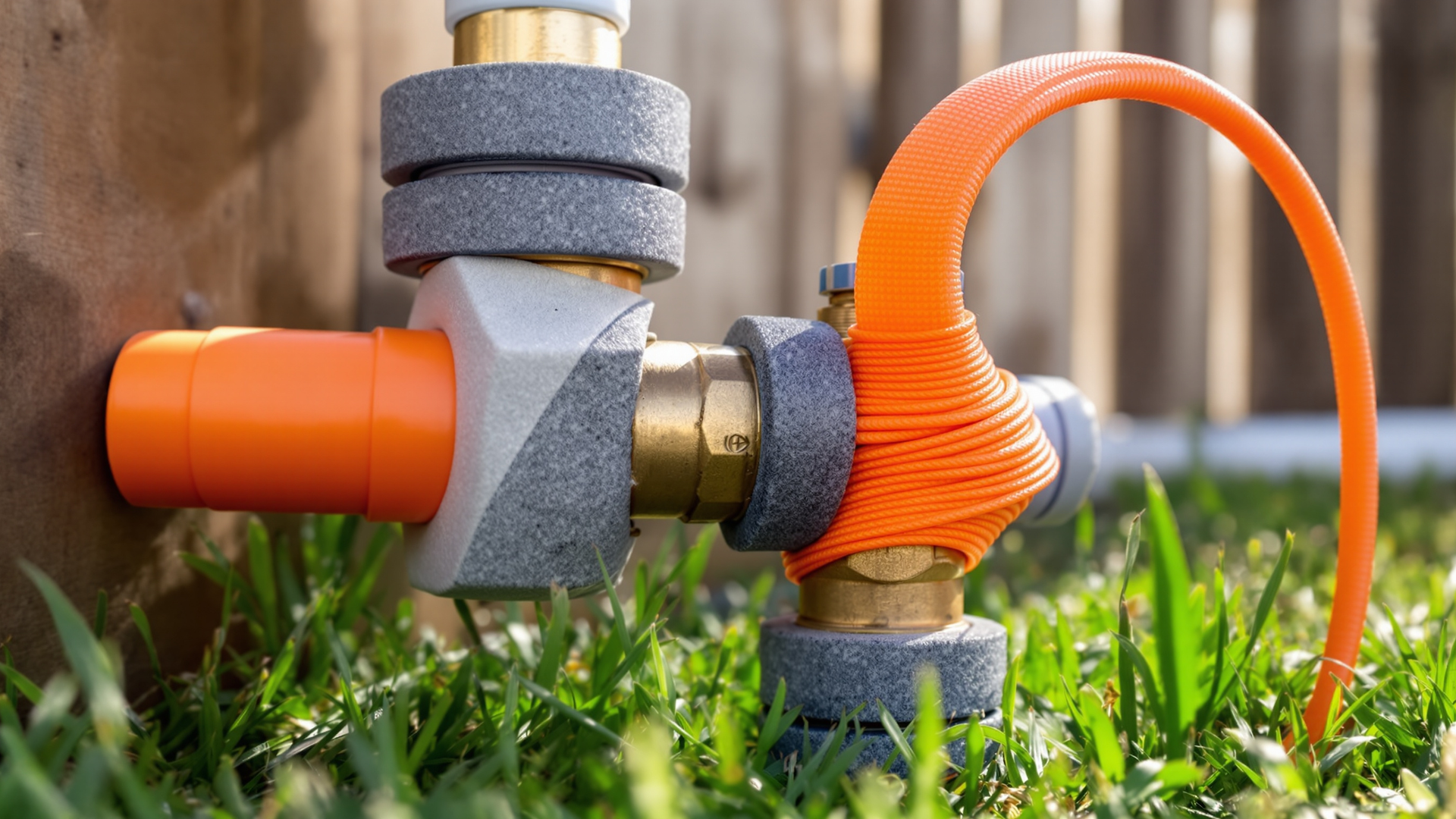
Heat tape can protect irrigation backflow valves during brief freezes, but it’s not a silver bullet. When you use outdoor‑rated, self‑regulating heat cable with insulation and a GFCI plug, it’s effective. Used wrong—on the wrong materials, overlapped, or without winterization—it’s risky and sometimes against code. Best practice: winterize first; heat cable is backup.
What you’ll learn from this blog
When heat tape (heat cable) actually helps a backflow preventer
The safest, code‑aware way to set up freeze protection
Winterization steps that beat cold snaps every time
Common mistakes that crack valves—and easy ways to avoid them
Quick answers to real homeowner questions
The quick answer homeowners need: when heat tape makes sense (and when it doesn’t)
If your lawn’s backflow preventer (often a PVB or RPZ near the sprinkler shutoff) sits outside and you’re facing a night or two of sub‑freezing temps, self‑regulating heat cable plus insulation can keep things from icing. It shines in shoulder seasons and surprise cold snaps.
Where it doesn’t shine? Long, sustained hard freezes. In those climates, heat tape alone can lag behind, power can go out, and your valve still freezes. Also, some cities prohibit wrapping backflow assemblies with electric heat. Always check local code and your water provider’s rules first—seriously, one quick call can save a headache.
Real‑world example: A homeowner in Louisville wrapped a brass PVB with a 5 W/ft self‑regulating cable, added foam pipe wrap, and slipped on an insulated cover. It rode through two 20°F nights just fine. But the same setup in Minneapolis in January? That’s a different story—winterize the system and consider a heated enclosure if the assembly must stay active.
The safer setup: a practical, code‑aware recipe
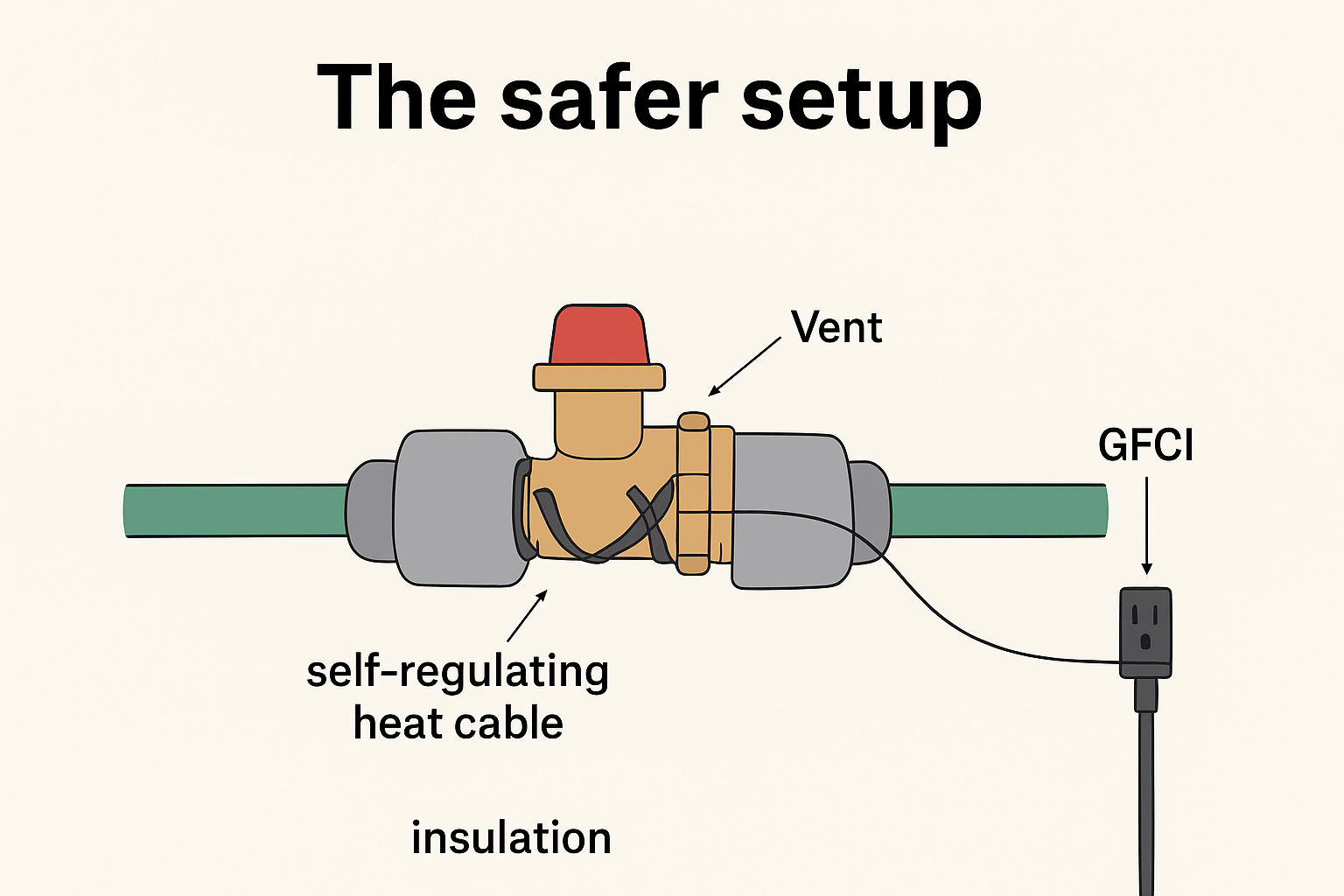
Think “gentle warmth, dry insulation, reliable power.” Here’s a simple approach that passes the gut‑check:
Choose the right cable
Self‑regulating, outdoor‑rated heat cable, 3–7 watts per foot is typical.
For plastic components (PVC, CPVC), use a cable specifically rated for plastic, and add a fiberglass under‑wrap.
Prep and position
Turn off water to irrigation if possible; open test cocks to drain any trapped water.
Dry everything. Water under insulation = ice later.
Wrap carefully
Spiral the cable around the body of the backflow and upstream/downstream exposed pipes. Don’t cover the PVB vent or block test ports.
Never overlap heat cable on itself.
Insulate smart
Add fiberglass or foam pipe insulation over the cable.
Finish with a weatherproof insulated backflow cover that still allows air around the vent.
Power safely
Plug into a GFCI‑protected outlet with an in‑use (bubble) cover.
Use a cable with a thermostat or add a separate outdoor thermostat for on/off control.
Test and monitor
After the first cold night, check for warmth—not hot spots—and for moisture under the cover.
Label the assembly so a tester can access it without cutting everything apart.
Quick checklist for a weekend cold snap
Confirm local rules and cable rating.
Wrap body and nearby pipes; avoid the vent.
Insulate and cover.
Plug into GFCI.
After the freeze, unplug and inspect.
The better plan for long winters: winterization beats wattage If you live where “deep freeze” is a season, not a weekend, the best way to protect a backflow valve is simple: don’t let water sit in it.
Do this before the first hard freeze:
Shut the irrigation supply at the house.
Blow out zones with compressed air (or have a pro do it).
Drain the backflow assembly: open test cocks and leave them at a 45° angle; crack the ball valves to let water escape.
Slip an insulated cover over the drained assembly to protect from wind, sun, and surprise flurries.
Personal note: I’ve seen far more cracked bonnets and split housings from “I meant to blow it out next week” than from anything else. A 30‑minute winterization beats a 300–700 backflow replacement, every time.
Common mistakes that crack valves (and how to dodge them)
Using the wrong tape on plastic: Some heat tapes are metal‑only. If any part of your backflow or adjacent piping is PVC/CPVC/PE, you need a cable rated for plastic and a fiberglass under‑wrap. Otherwise, you risk softening the plastic.
Smothering the vent: That little hood on a PVB? It needs to breathe and drain. Don’t tape, bag, or foam it shut.
Overlapping cable: Overlap creates hot spots. Spiral with gaps; follow the manufacturer’s spacing.
Trusting the “pretty green cover” alone: Those covers help, but without internal insulation—and especially without draining—the water inside can still freeze.
Ignoring power realities: A GFCI trip or an outage at 2 a.m. turns heat cable into… a rope. Winterization doesn’t depend on the grid.
Fast FAQs for homeowners
Can you put heat tape on a backflow valve? Yes, if it’s self‑regulating, outdoor‑rated, and (when plastic is present) approved for plastic with fiberglass under‑wrap. Avoid covering the vent and test ports.
How do I keep a sprinkler backflow from freezing during a cold snap? Combine self‑regulating heat cable, insulation, and an insulated cover, powered by a GFCI outlet. For hard freezes, drain it first.
Are slip‑on backflow covers enough? Helpful, not foolproof. They’re best after you’ve drained the assembly; with water inside, add heat cable during brief freezes.
What’s the best long‑term protection in cold climates? Full system winterization: shut off, blow out, drain the backflow, and cover it.
How many watts do I need? For most residential runs, 3–7 W/ft self‑regulating cable is typical. More isn’t better—proper wrapping and insulation matter more.
Wrapping it up (and keeping it warm)
Heat tape can be effective for backflow valves when used correctly, but it’s a supporting actor, not the star. The star is winterization, with smart insulation coming in a close second. If you’re unsure what your yard needs or want it handled quickly and safely, Turfrain is here to help. Contact Us and we’ll protect your backflow—and your lawn’s spring comeback—before the next cold front sneaks in.