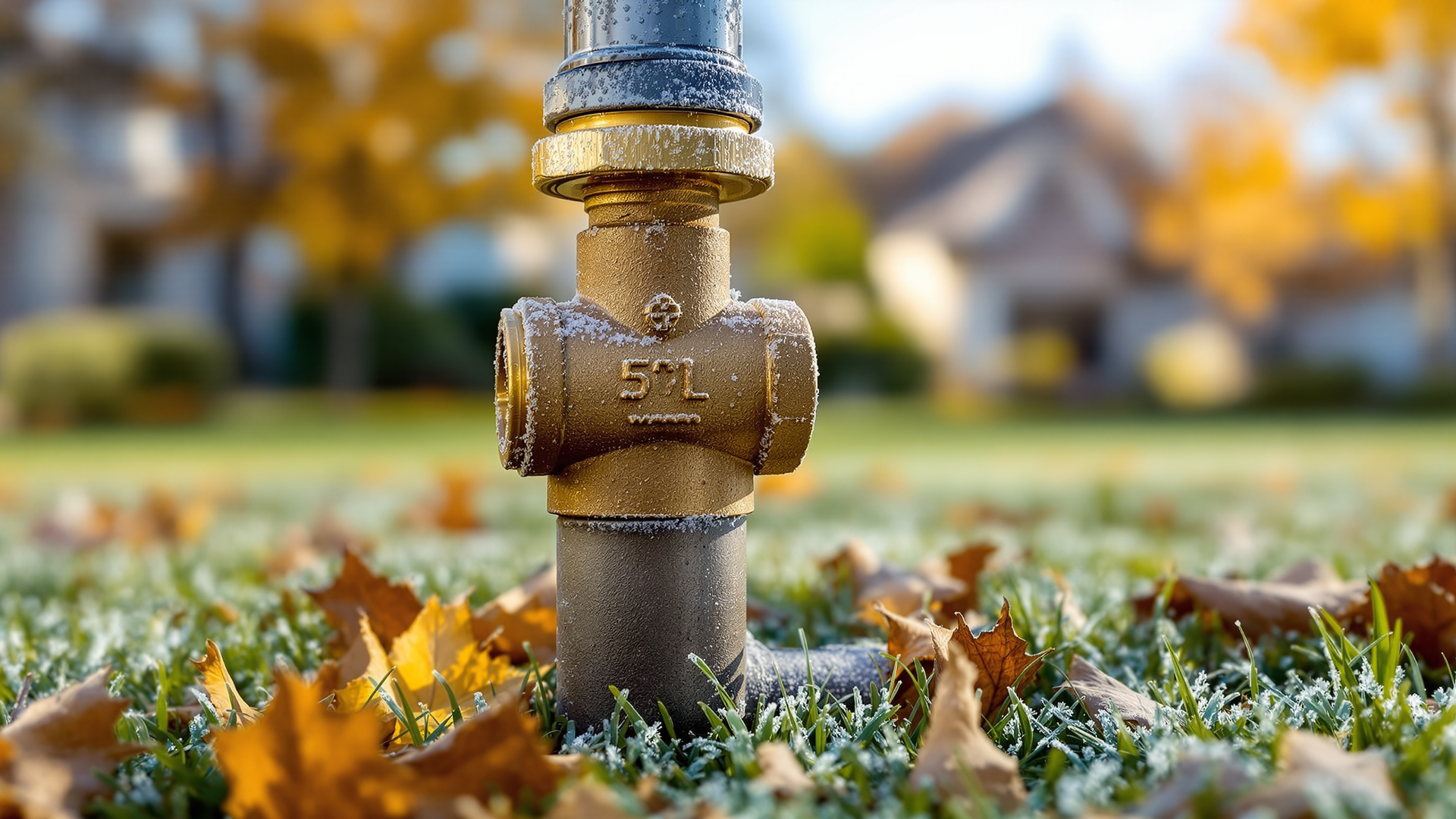
Winterize your backflow valve just before your area’s first hard freeze—typically when nightly lows dip to 32°F and stay there, or forecasts call for 28°F for a few hours. For most homeowners, that’s late fall: 1–2 weeks before the first frost. If a cold snap surprises you, shut it off and drain immediately. Just like warming fall trends can shift winterization slightly later, your backflow valve still follows the same rule: the first hard freeze decides the deadline
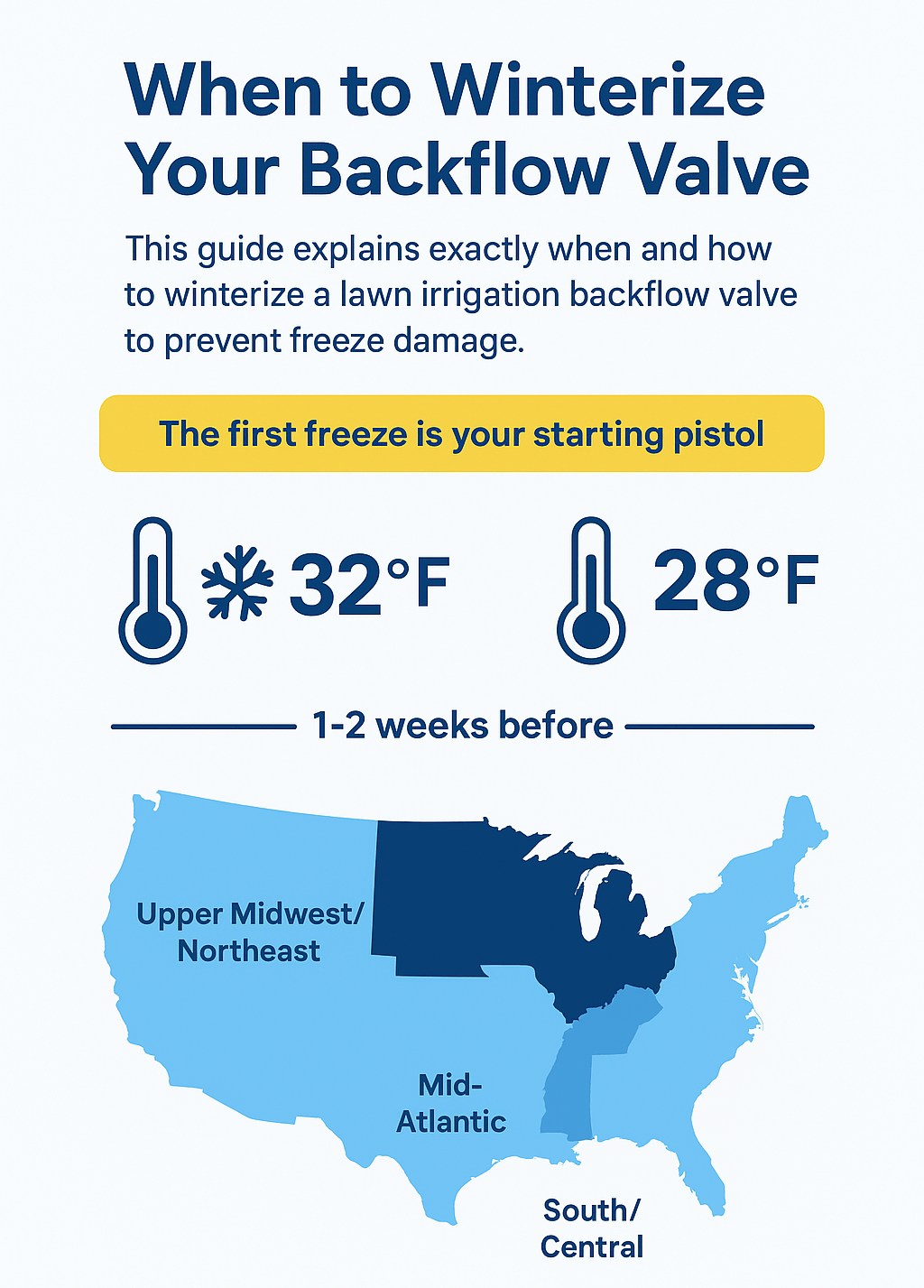
If you remember one thing, remember this: winterize before the first hard freeze. A “hard freeze” usually means temperatures around 28°F for several hours—more than enough to crack a backflow preventer sitting above ground. For many homeowners with lawns, that lands in late October to mid-November up north and late November to December in milder zones. The trick is to act 7–14 days ahead of that first big cold snap.
Think of your backflow like a garden tomato: it looks hardy, but one surprise freeze and… mush.
Weather apps are great, but microclimates matter. Low spots in your yard, open fields, and wind-exposed corners can freeze earlier than the “official” forecast suggests. A neighbor’s shady fence line might see ice first; your driveway might not. If you’re at a higher elevation or in a valley, move your winterization up a week. When in doubt, timing beats toughness—winterizing early never broke a valve.
If a cold front is bearing down, here’s the fast track. You can do this in 10–15 minutes with basic tools:
Imagine you’re squeezing a sponge—your goal is to let the water out without wringing it so hard you tear the sponge. Gentle, thorough, done.
I once met a homeowner who wrapped their backflow in a towel and called it good. The towel soaked, froze, and the brass split like a frozen soda can. Ouch. Learn from that:
Restart when the 10-day forecast shows no hard freezes and the ground is softening (usually when soil temps hover above 40–45°F). Reassemble caps, close test cocks, slowly pressurize, and run a short test on each zone. If you see weeping around the backflow body or unions, stop and inspect right away.
Winterizing your backflow valve 1–2 weeks before the first hard freeze is the sweet spot. Watch those weather cues, drain the system, and don’t let an early cold snap catch you snoozing. If you’d rather skip the guesswork, Turfrain has your back with seasonal checkups and fast, careful blowouts. Need help before the next cold front? Contact Us.
