Yes—There Are Insulation Kits for Backflow Preventers (And They Can Save Your Sprinklers from a Freeze)
By Turfrain
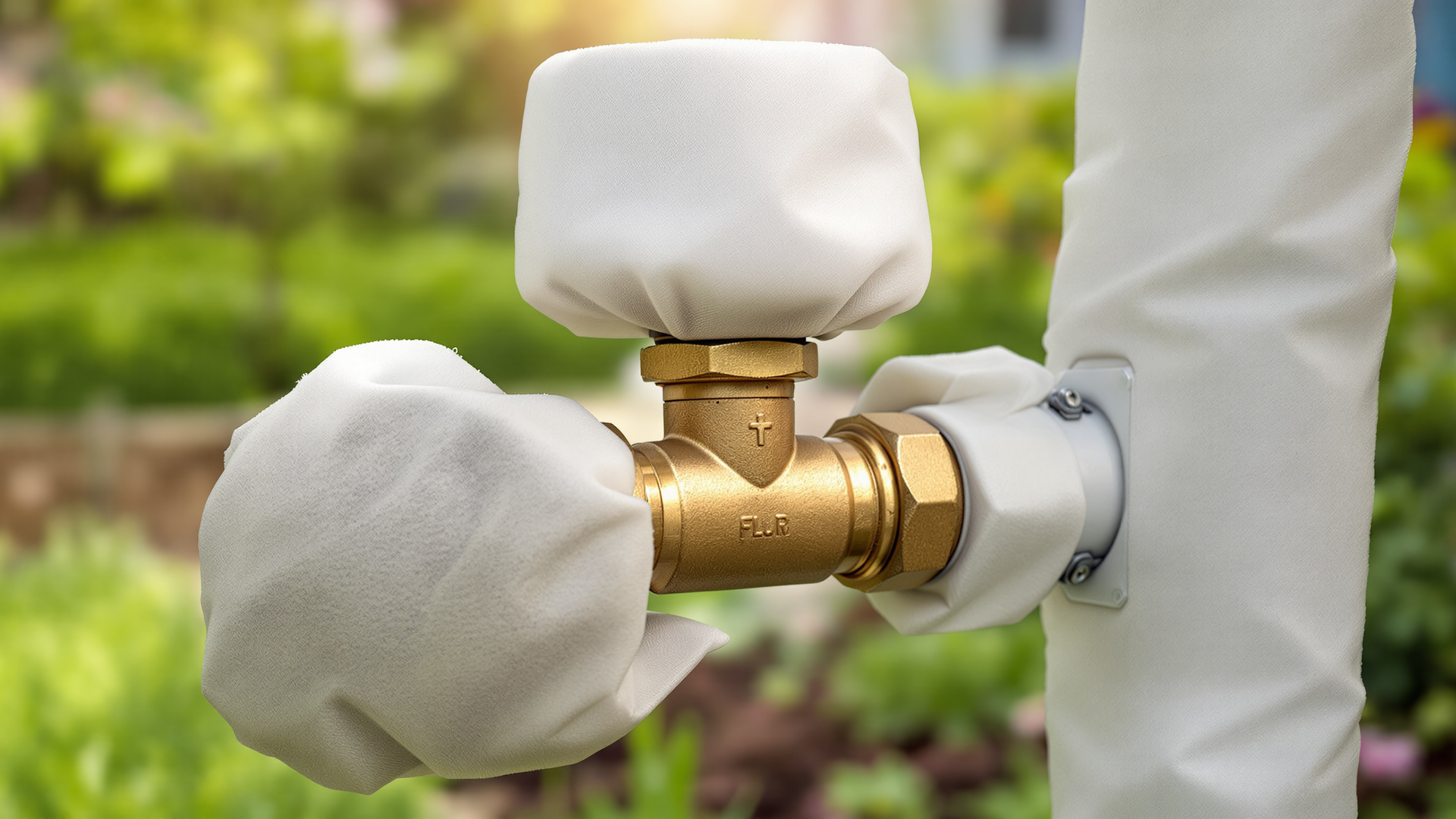
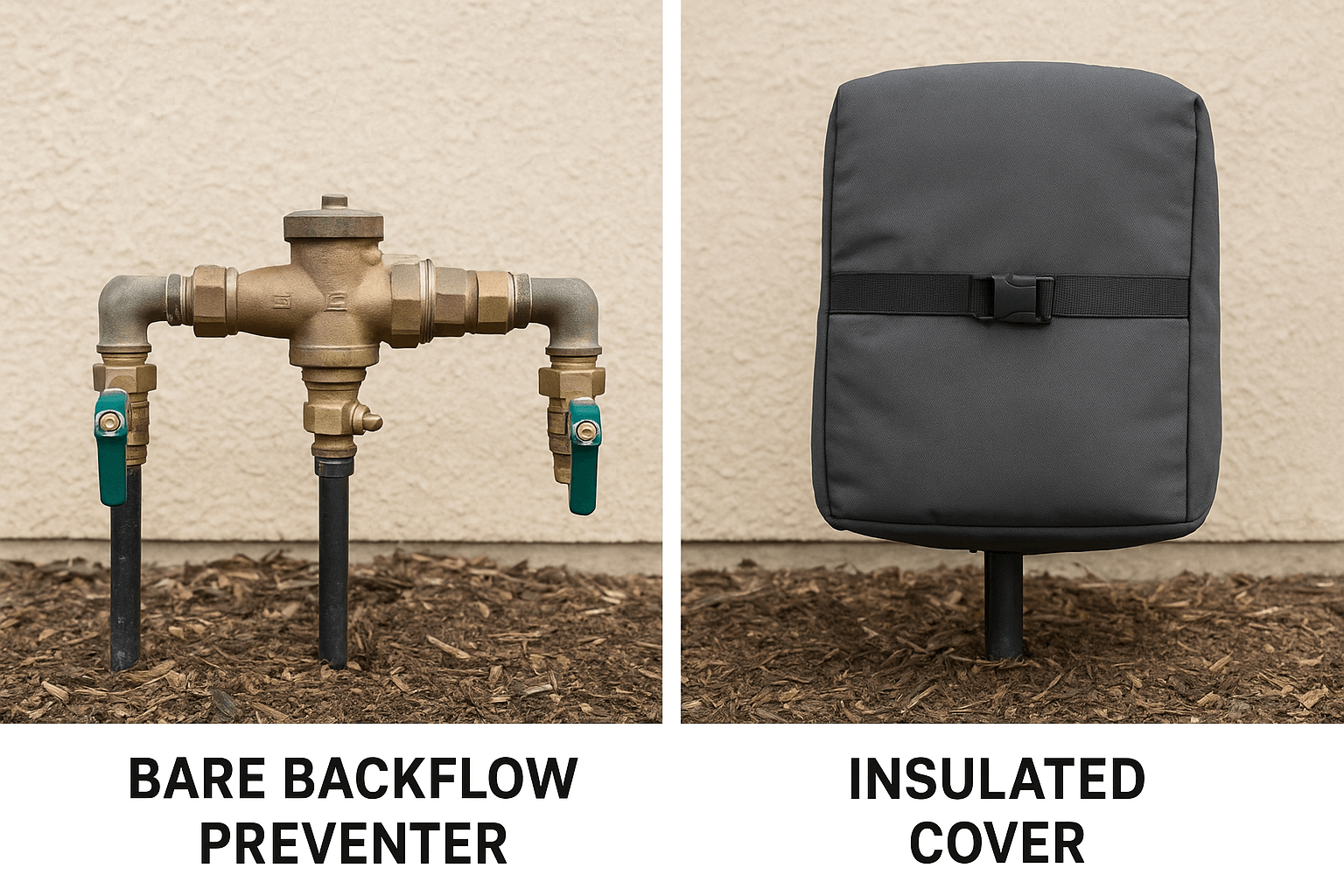
Yes—there are special insulation kits for backflow preventers, made to shield your irrigation device from freezing, sun, and rain. Options include soft insulated covers, rigid lockable enclosures, and heated jackets sized to common valve models. Pick the right kit and you’ll avoid cracked brass, surprise leaks, and mid-winter sprinkler repairs.
What you’ll learn from this blog
The types of backflow preventer insulation kits and when to use each
How to choose the right size (without guessing)
Whether you need heat cables or a heated enclosure
Costs, code notes, and common mistakes to avoid
Step-by-step setup tips for quick installation
Start Here: The Fast Match Guide (So You Don’t Overthink It)
Summary: Match the kit to your climate and valve type. That’s 80% of the decision. Details:
Mild winters (occasional frost, quick thaw): A soft insulated cover or “freeze protection bag” with at least R-8 to R-13 insulation and waterproof, UV-resistant shell usually does the trick.
Regular hard freezes (teens and twenties): Use an insulated cover plus a self-regulating heat cable and thermostat, or a heated enclosure. The heat maintains a safe temperature even when the wind howls at 2 a.m.
Coastal sun or high UV areas: Prioritize UV-stable, waterproof covers with reinforced seams. Faded fabric looks tired; brittle fabric fails when you need it.
RPZ backflow valves: Choose enclosures or covers designed for RPZs with proper vents and bottom clearance for relief-valve discharge. A simple bag can trap water or block discharge—no thanks.
HOA or curb appeal concerns: Rigid, lockable enclosures or faux-rock covers hide hardware neatly and keep curious hands out.
A quick story: One chilly March, a neighbor figured “It’s spring—no more freezes.” A 28°F snap cracked his vacuum breaker overnight. A 70cover(orheatcable)would’vesaveda450 replacement. It’s not luck; it’s a tiny bit of prep.
How to Size an Insulation Kit Without Guesswork
Summary: Measure the box-to-box dimensions, then add clearance. Details:
Measure height: From ground (or pad) to the highest point of the assembly.
Measure length: End to end, including test cocks, union nuts, and handles.
Measure depth: Front to back, including any relief-valve protrusions.
Add clearance: 2–4 inches in each direction so the cover doesn’t compress the insulation or rub fittings.
Note valve style: Pressure vacuum breaker (PVB), double check (DCVA), or reduced pressure zone (RPZ). Many kits list compatible models and sizes like 3/4", 1", 1-1/2", 2".
If you’re between sizes, go up. A slightly roomier cover traps more air (which is good insulation), and you won’t fight the zipper in cold weather.
Do I Really Need One if My Winters Are “Not That Bad”?
Short answer: Probably—if you’ve had even a few nights below 32°F.
Brass cracks fast when water inside expands from freezing. It only takes one night in the^{20s}.
Wind chill accelerates heat loss. A breezy 30°F can be worse than a still 28°F.
Microclimates are sneaky. Shady side yard + open sky view = colder than your weather app suggests.
If you shut down sprinklers but your backflow is still outdoors and above ground, insulate it. If you leave the irrigation pressurized through winter, use a heated solution during deep cold snaps. → Not sure when cold snaps or hard freezes hit?Here’s exactly when to winterize your backflow valve.
A 10-Minute Installation You’ll Thank Yourself For in January
Do this once; forget about it all season.
Turn off water to the irrigation if you’re winterizing; otherwise keep it on for heated enclosures.
Open the cover, check for sharp edges, and drape it over the entire assembly.
Center the cover so relief valves and test cocks aren’t pressed against the fabric.
Secure closures (zipper, Velcro, or straps) snug but not tight—trap air, don’t compress it.
For heat cables: Wrap per manufacturer spacing, keep off relief valve openings, plug into a GFCI outlet, and use a thermostat if provided.
Check weekly in the first cold snap: Is the cover dry? Are straps intact? Any buzzing from the heat cable? Good to go.
Costs, Codes, and What Pros Look For
Typical costs:
Soft insulated cover: 30–120
Rigid or lockable enclosure: 150–400
Heated enclosure: 250–700
Self-regulating heat cable/thermostat: 40–100
Code and safety notes:
RPZ valves must discharge safely—choose covers/enclosures that allow venting and bottom clearance. Don’t block the relief port.
Some municipalities require insulated protection for above-ground assemblies in freezing regions.
Lockable options deter tampering and meet many HOA standards.
Pro tips:
Look for UV-stable, waterproof fabrics with stitched and taped seams.
R-value matters, but fit and wind protection matter more.
Label the cover with your valve size/model; future you will thank present you.
Where to Find These Kits (and Avoid the Duds)
You’ll see them called backflow preventer insulation kits, insulated backflow covers, freeze protection bags, heated backflow enclosures, and faux-rock boxes. Quality varies wildly online, so check:
Fabric thickness and insulation rating
UV rating and waterproofing
Size chart that matches your exact valve type
Warranty length (a good sign the manufacturer stands behind it)
Conclusion and a Friendly Nudge
Insulation kits for backflow preventers are small investments that prevent big messes. Pick the right style for your climate, size it with a bit of breathing room, and you’re covered—literally—before the next cold front surprises you. If you’d like a quick, no-pressure recommendation or an install you don’t have to think about, Contact Us at Turfrain. We’ll match your valve, your climate, and your budget—so your lawn is ready when spring pops.